

Cultivating Appreciation for the Cosmos
OK, so my last post started this blog’s exploration of astronomy and stargazing on a down note.
But that’s because my journey did begin with an eager leap before I knew what to look for in a telescope and how to use it. I’m hoping you can avoid some of those same mistakes. But that’s also part of what makes any worthwhile hobby worth having: there’s a learning curve, and you keep learning.
So I thought I’d pick things up again right away today with some positive vibes of the galactic variety. Because what can be more mind-blowing than the infinite variety and alien-ness of space itself?
Now, if you follow my son Ben’s decidedly wet-blanket pronouncement — “why would I look at Saturn through a telescope, Dad, when I can just look at a (much better) picture?” — then I think you’re getting the motivation and inspiration parts backwards. Because the images I’ve seen cultivated by NASA’s probes and telescopes over the years are so awesome I am motivated to learn all I can about space and astronomy and inspired to study the planets and interstellar objects with my own eyes.
Yes, poring over episodes of The Universe and How the Universe Works, and reading Phil Plait’s books and others, have fueled my knowledge over the years. But a lot of the imagery in those shows is simulated (however magnificent it is). The pictures Phil paints with words are still, fundamentally, text on a page. But the thrill I get out of spying the rings of Saturn and the clouds of Jupiter with my own eyes, through my telescope, live? That’s first-hand titillation, my friend.
And to know what you want to explore, and to appreciate what you see, it helps to learn about it first.
In today’s magical, multimedia world, I’ve got two awesome recommendations for where to start.

Engine of Fantasy — and Reality
By the time I ponied up the cash for my first impulse telescope buy, I’d already sunk a considerable amount into a new family PC with a killer graphics processor: the better the fully appreciate the universe-bending capabilities of Space Engine.
Now, there’s plenty to appreciate about the constellations you can see from your own backyard in the type of room-lighting planetarium I had as a kid. And there are plenty of phone apps that can help you decipher the night sky (and likely screen-blind your eyes for actually seeing the stars in the moment). But for blasting off from earth and free-exploring the planets and stars and galaxies and beyond… Space Engine is your ticket.
Its developers have spent years modeling the known solar system and universe, down to rich graphics layers and real-time physics, and they’ve packed every known body and object with tons of clickable info and descriptions, all the way from discovery dates down to biochemical composition percentages. But where the known world leaves off they’ve built in generative algorithms to create probable worlds and astral phenomenon, so you can explore the edge of the Milky Way all the way out to the edge of the speculative universe.
Once you get the hang of moving through space, you can hop from planet to moon to star in an instant, or cruise through the cosmos, adjusting your speed to swing by, fall into orbit, or land on the surface (when a surface exists at all).
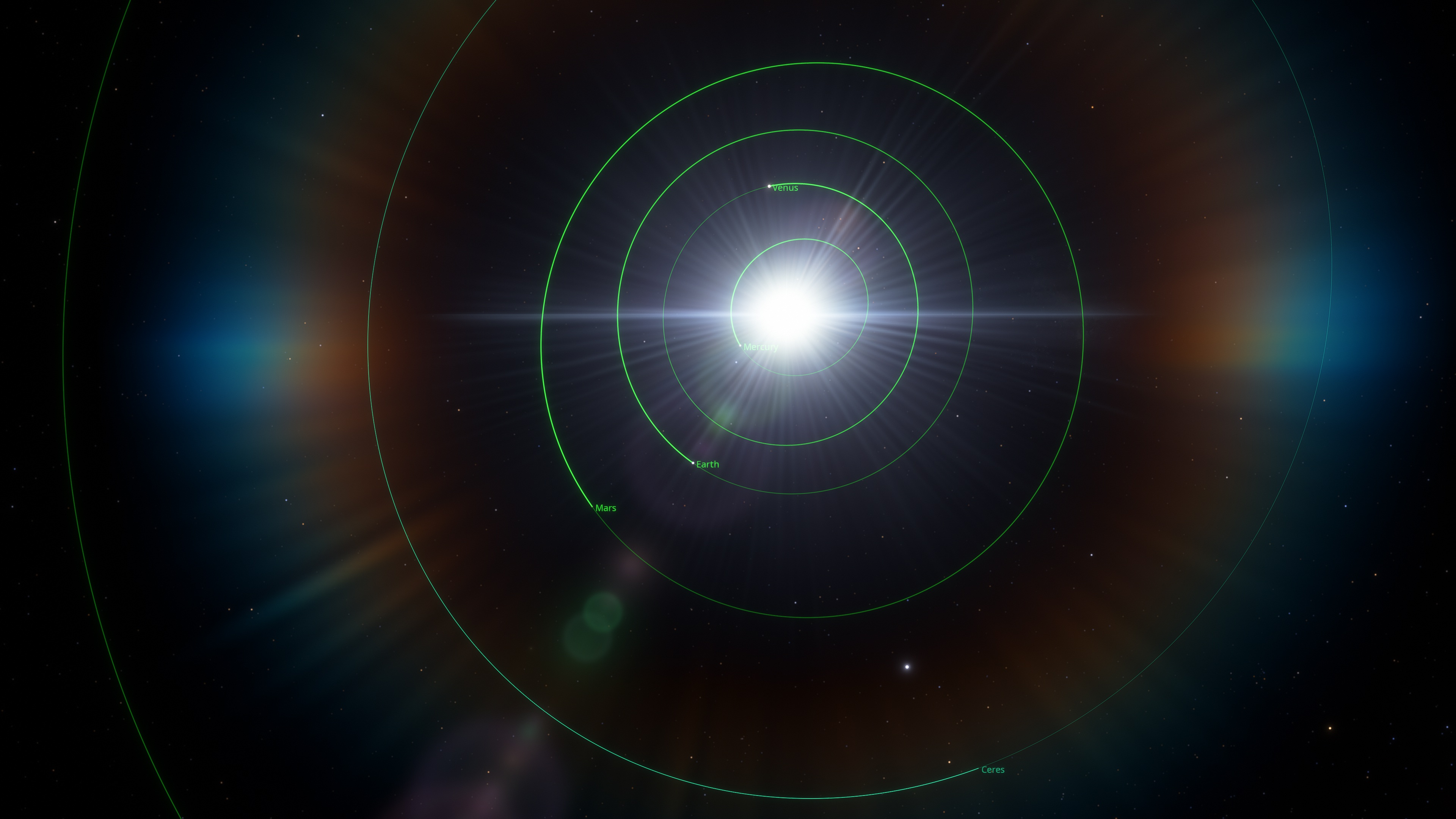
I first took this for a spin after my failed binoculars chase of the Jupiter-Saturn Grand Conjunction. I started by exploring our Solar System, catching up on all the moons around each planet, learning the new dwarf planets (and old ones; sorry, Pluto), checking out comets, and rewinding and fast-forwarding time to my orbit-goggling content.
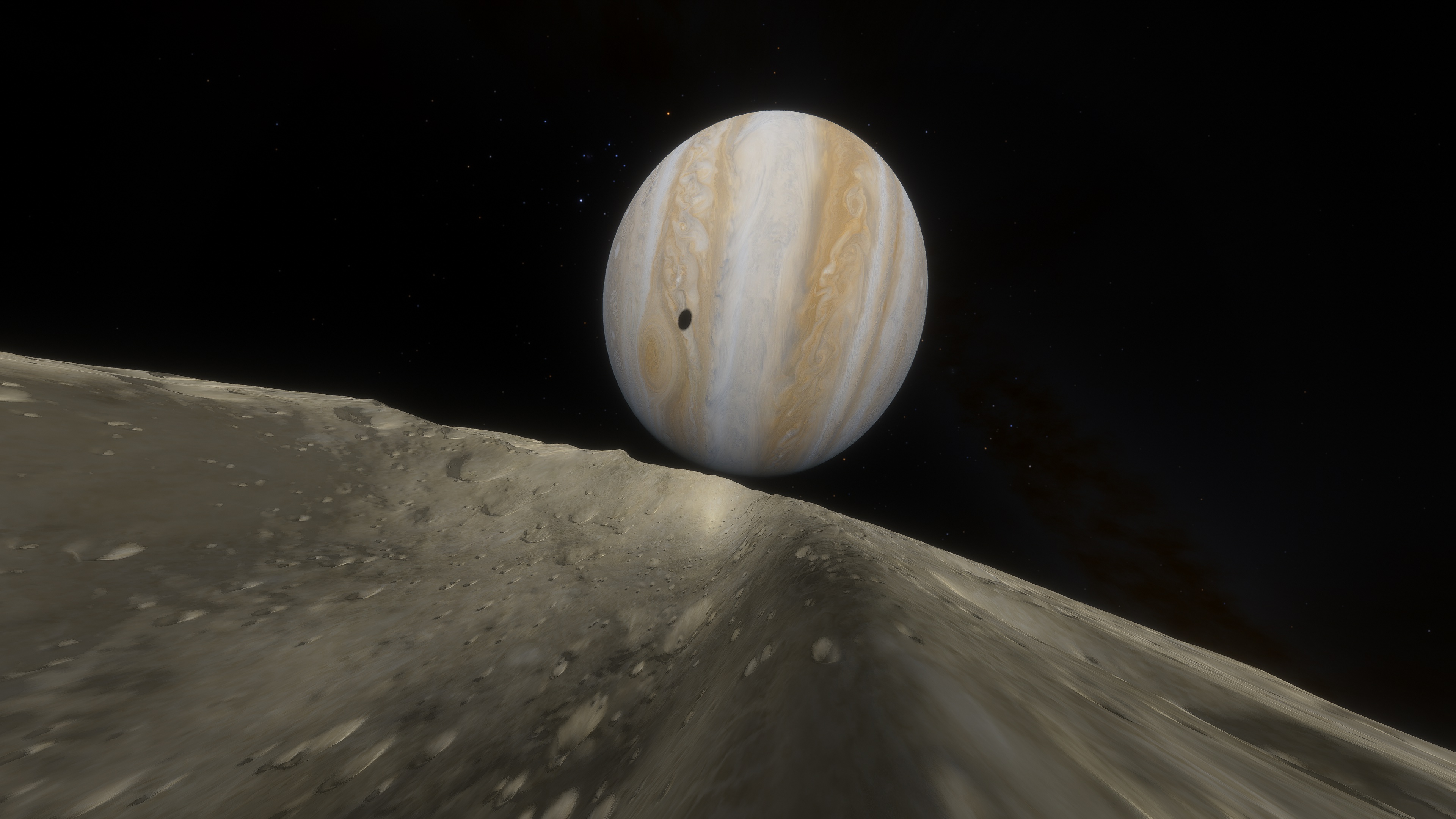
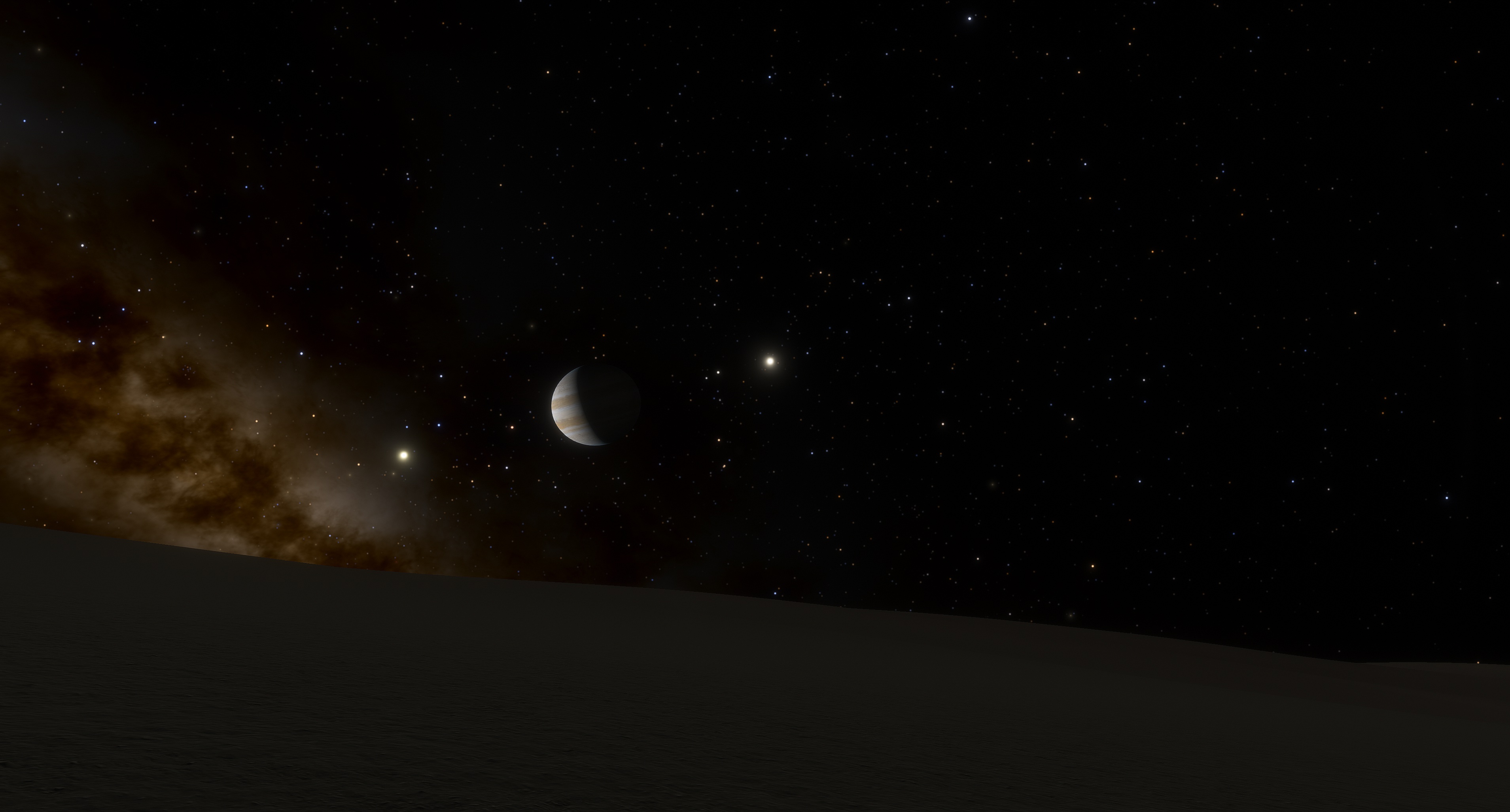
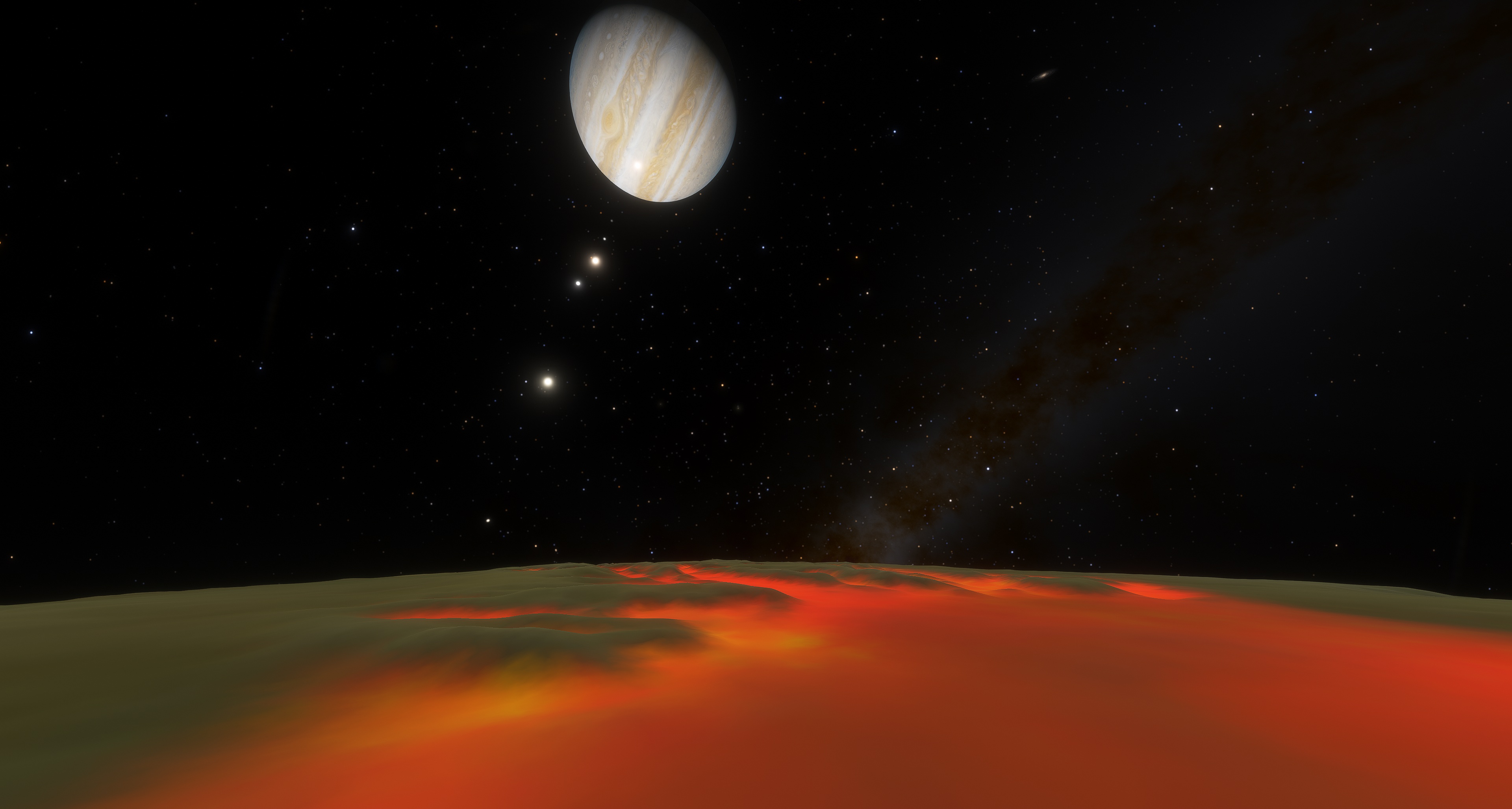
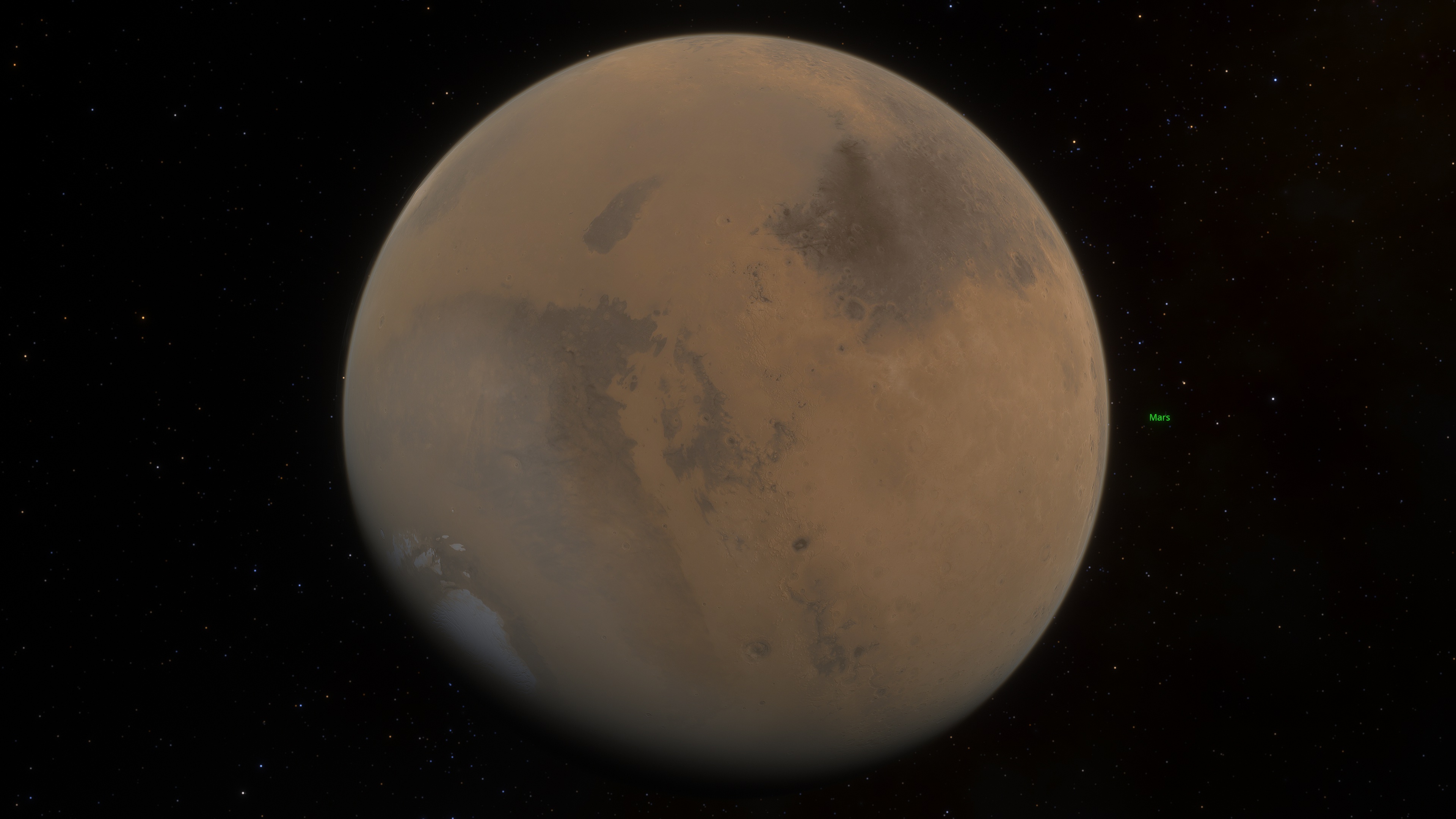
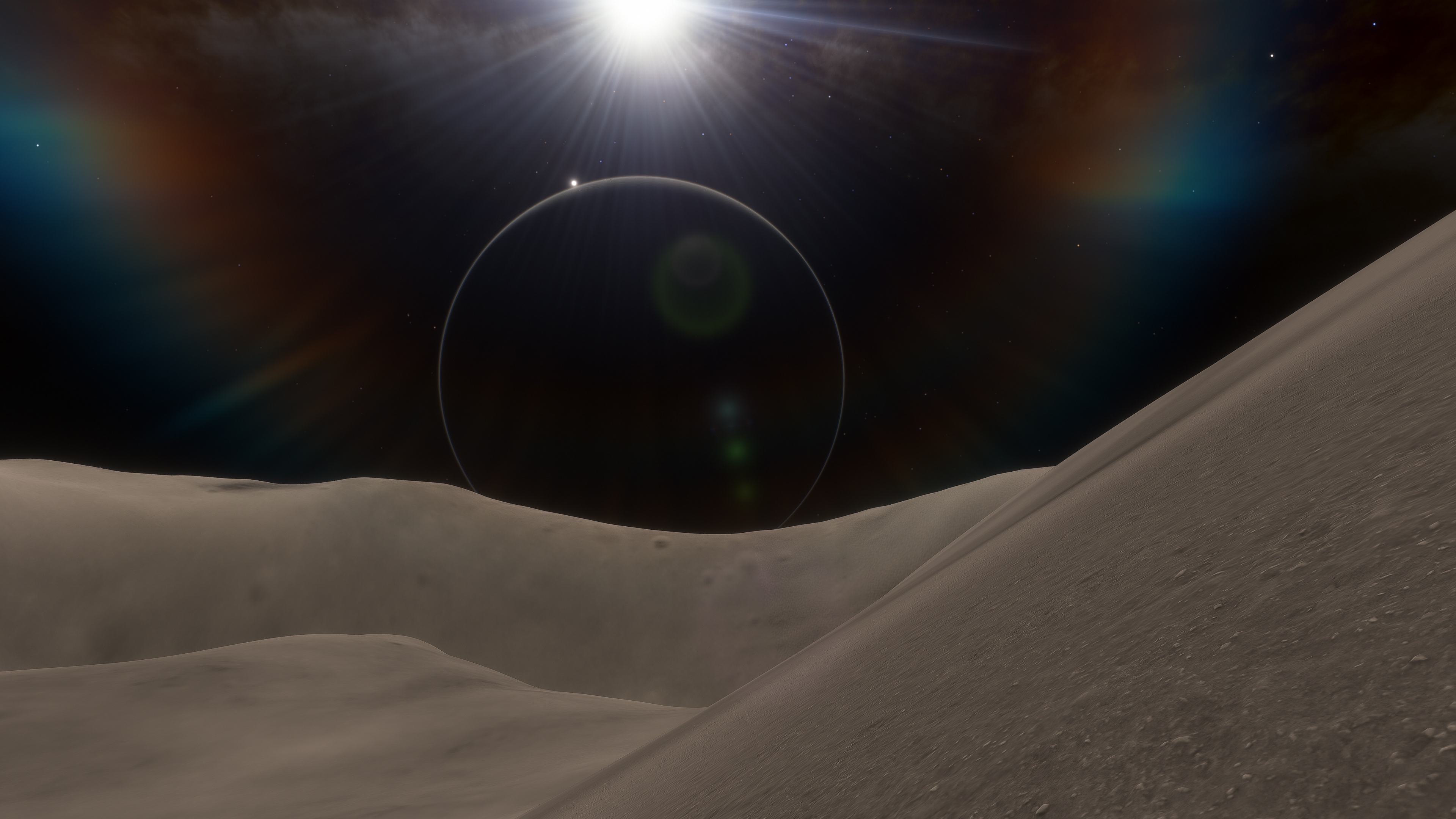
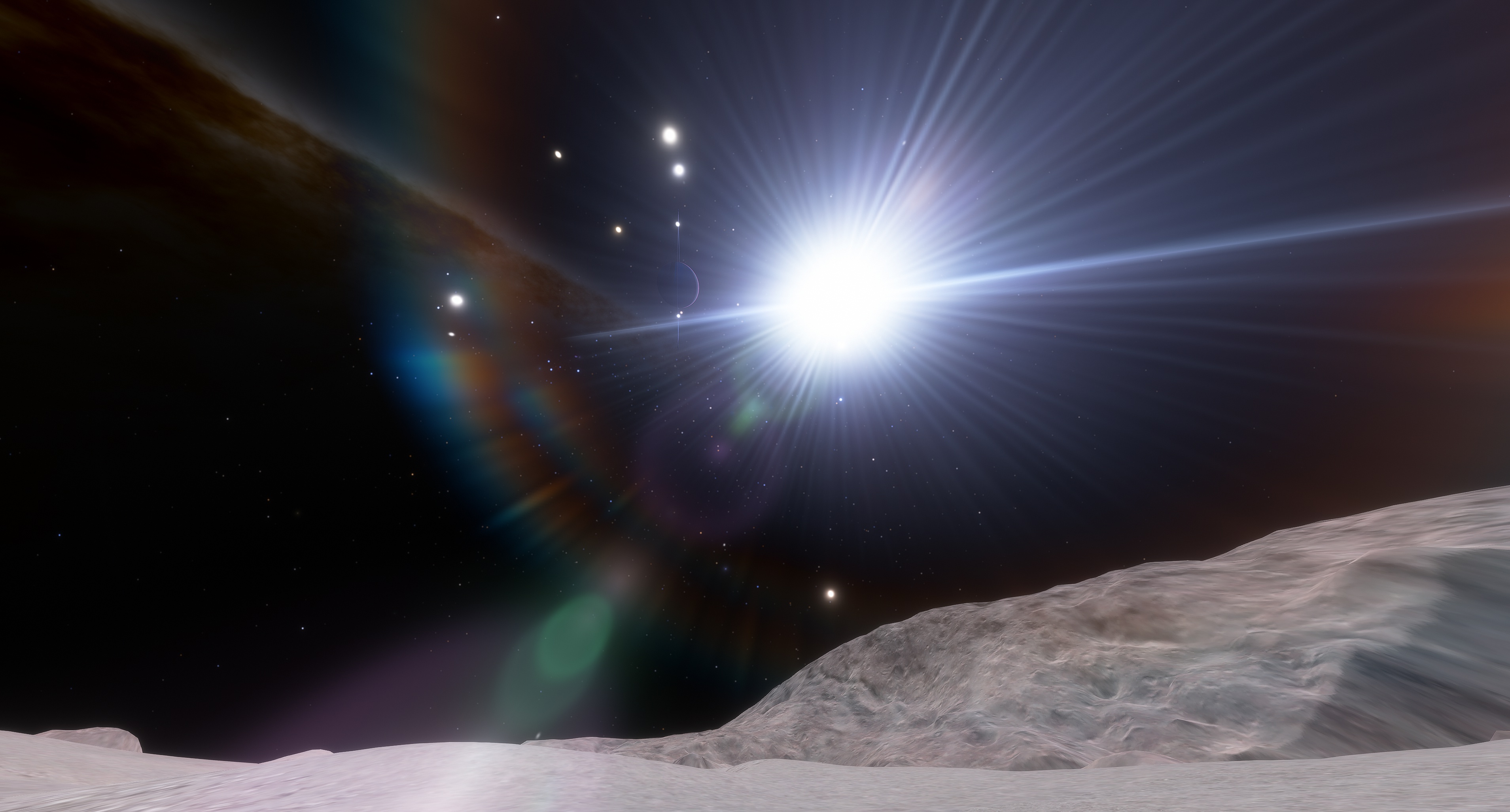
I also got the hang of using the in-game camera, and proceeded to get snapshot-happy as I staged various out-of-this-word scenes, from the usual orbits and views of features like the Valles Marinaris and Olympis Mons on Mars, to capturing crescent Jupiters and the crowded chaos racing inside Saturn’s rings, taking a telescope’s view of Saturn from Jupiter moon Callisto, and watching Jupiter, Earth and Venus rise with the Sun on Mercury.
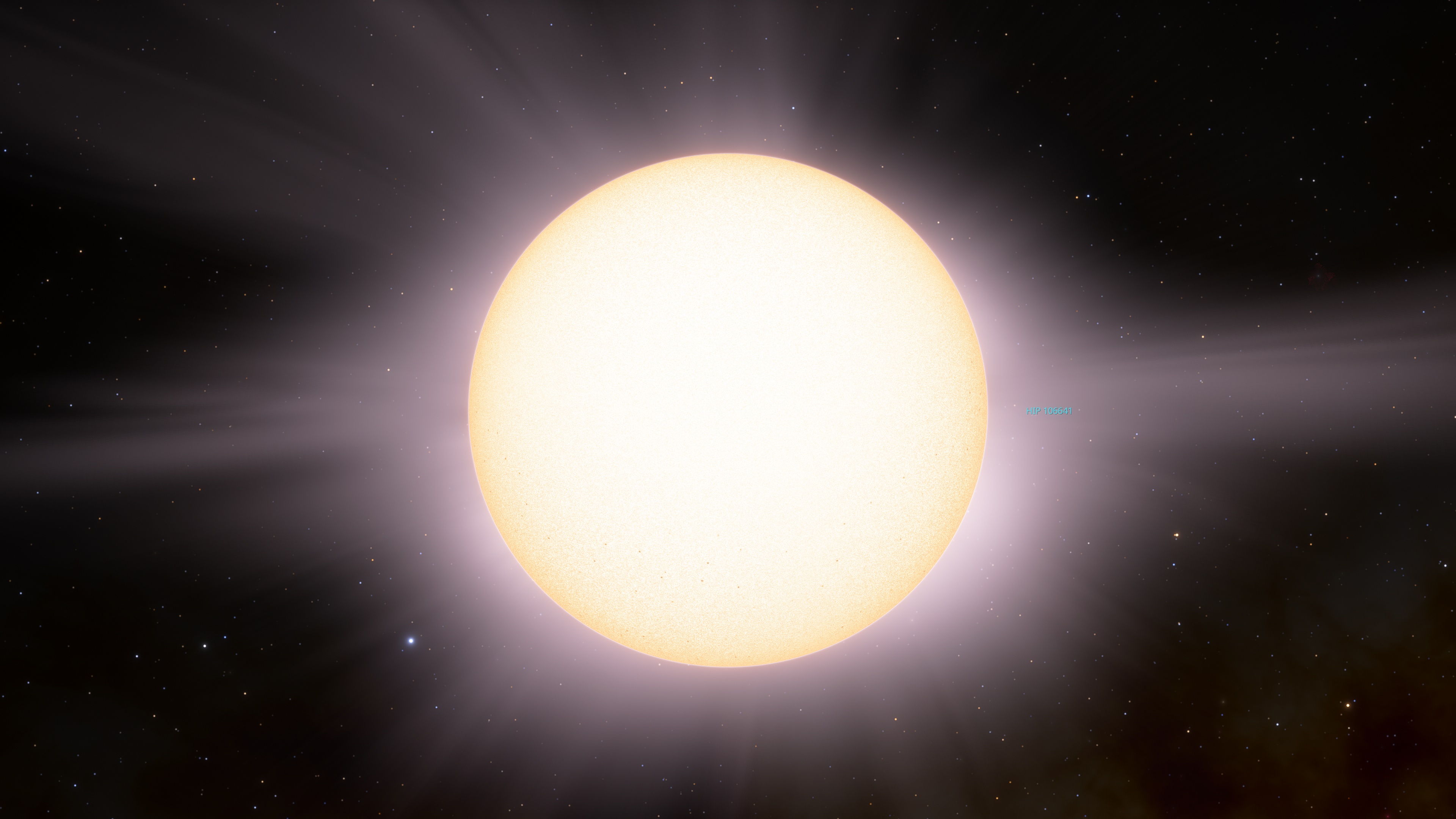
Once you’re ready to leave the Solar System, you can check out a lot of the constellations and double stars and nebulae visible from a backyard scope up close. After getting the hang of studying with my telescope highlights like red giant Betelgeuse, or the twinkling stars and nebulosity beyond the seven sisters of the Pleaides, or the blue and orange double in Albireo, it only added to the experience being able to capture a future astronaut’s or probe’s view of those celestial corners.
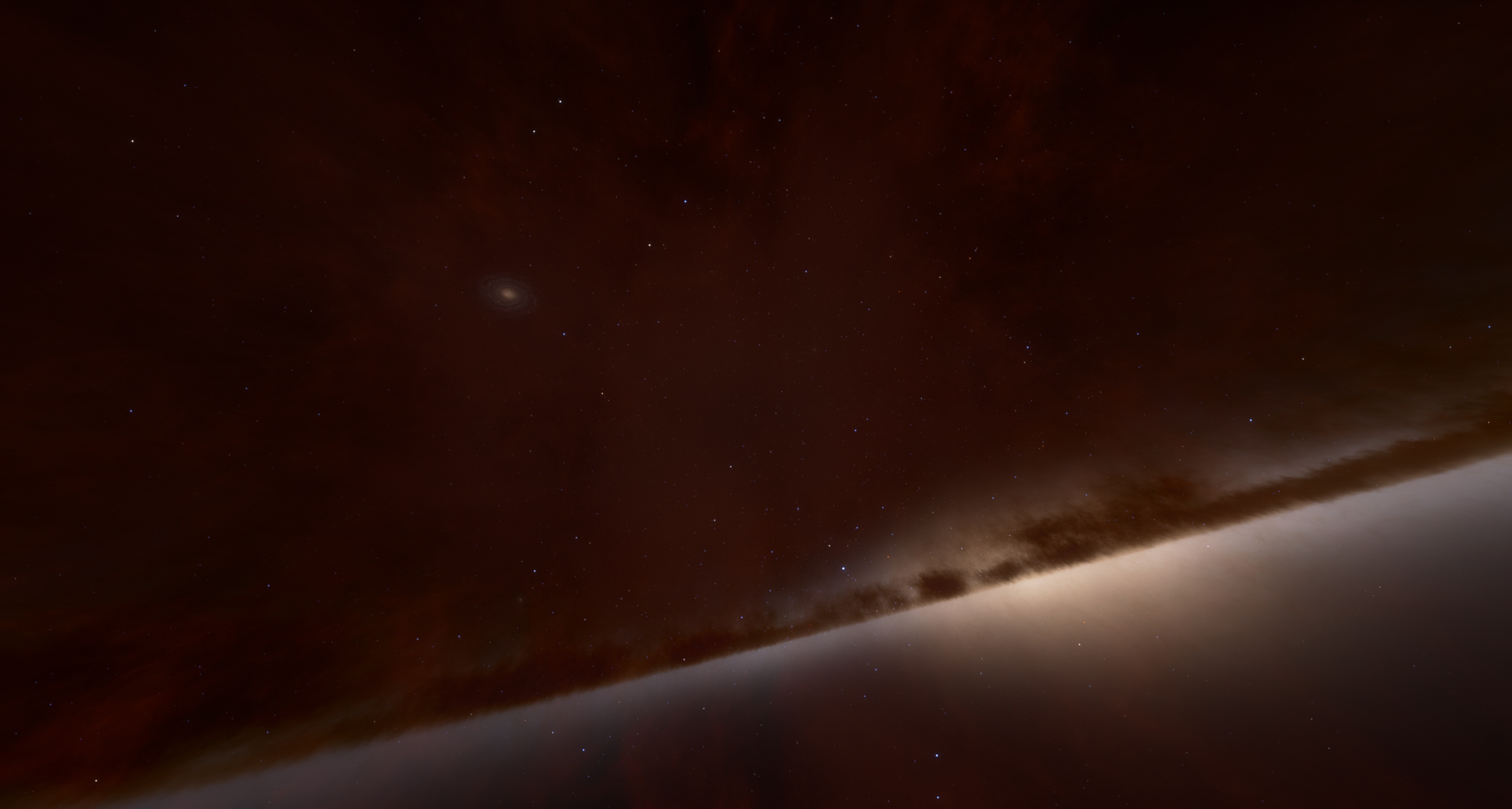
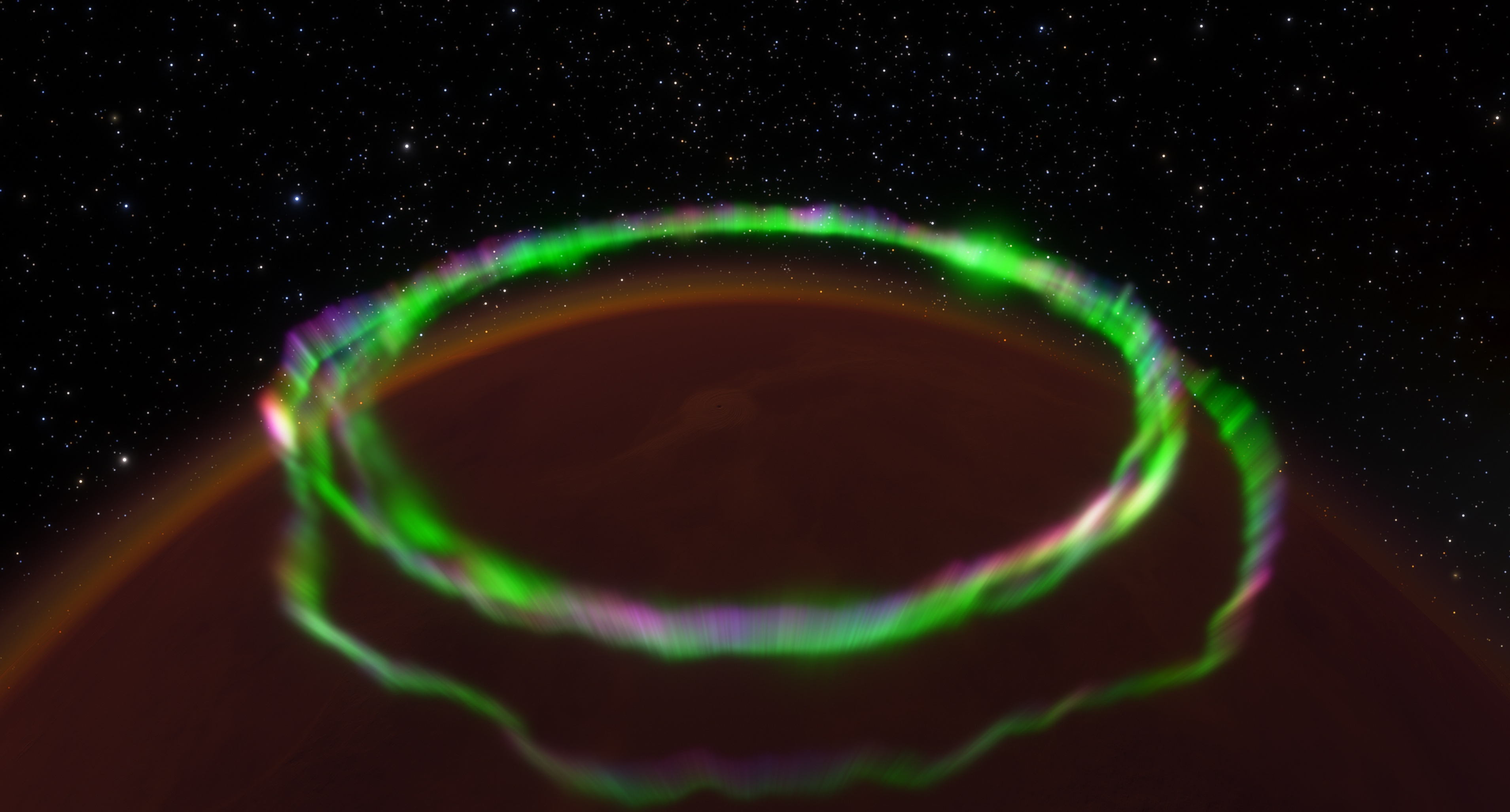
From there, well, it can get weird. You can zip out of our known universe at speeds exponentially beyond the speed of light to explore our galactic neighborhood — Andromeda, Triangulum, the Magellanic clouds — and further and further out to where even the galaxies are procedurally generated and you can look back at the universe red-shifting its way 15 billion light years in your wake. Setting that existential shudder aside, Space Engine invites you to look for planets hosting life — though not always of the terrestrial, human type — or at least candidates for habitability. You can search for any systems, planets or moons that fit similar ranges to our own home for temperature, atmosphere, gravity, etc., or go out and seek the most odd locales in the heavens and send a picture postcard home.
Despite its unending variety, Space Engine’s developers are at work on even more features. In November, they released a climate update (yes, there are Physics in the game that determine planetary weather), and the game is still officially classified as “early access.” So, take my advice and access it, already!
Solar System Slideshow – Space Engine










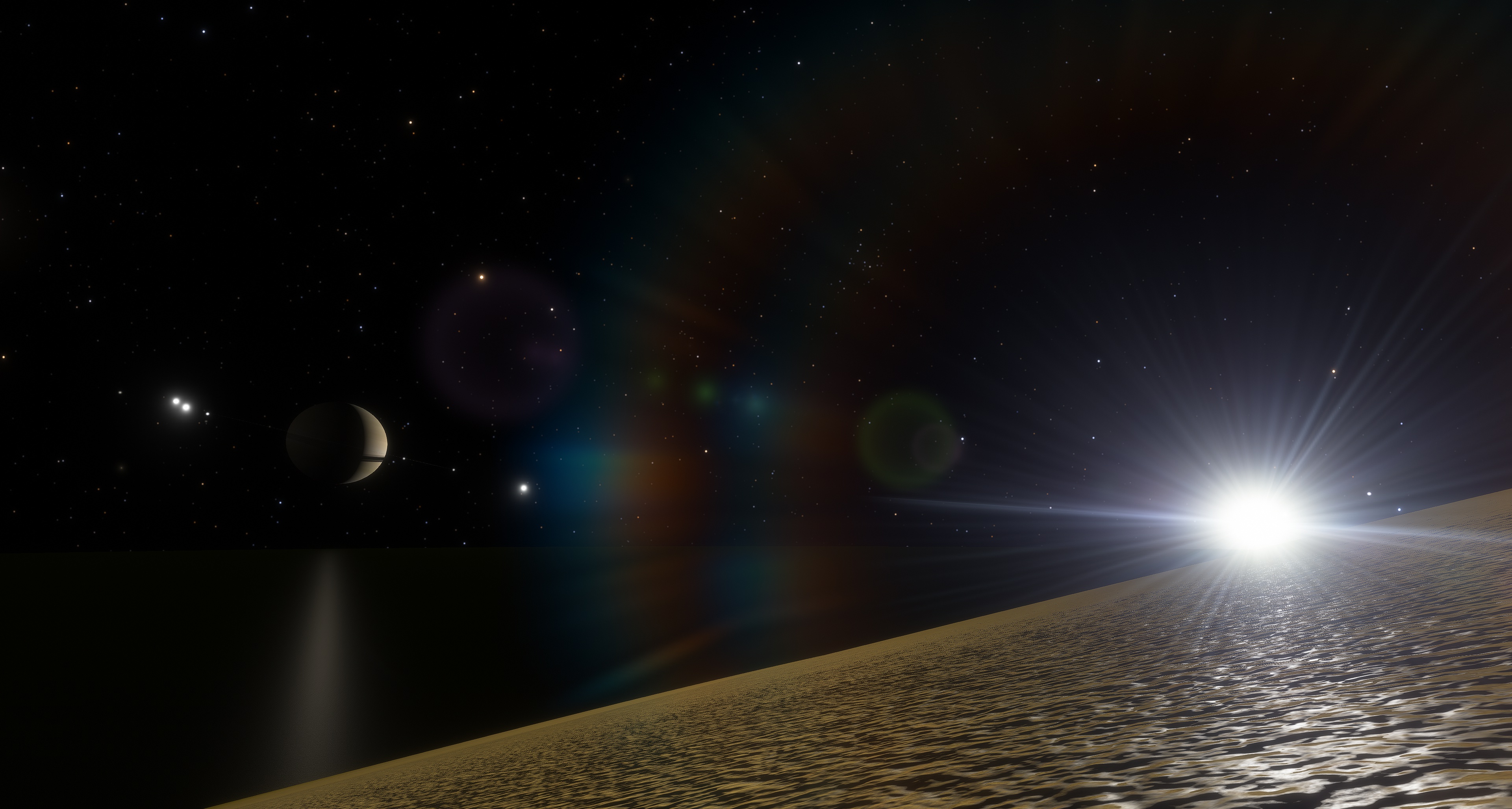
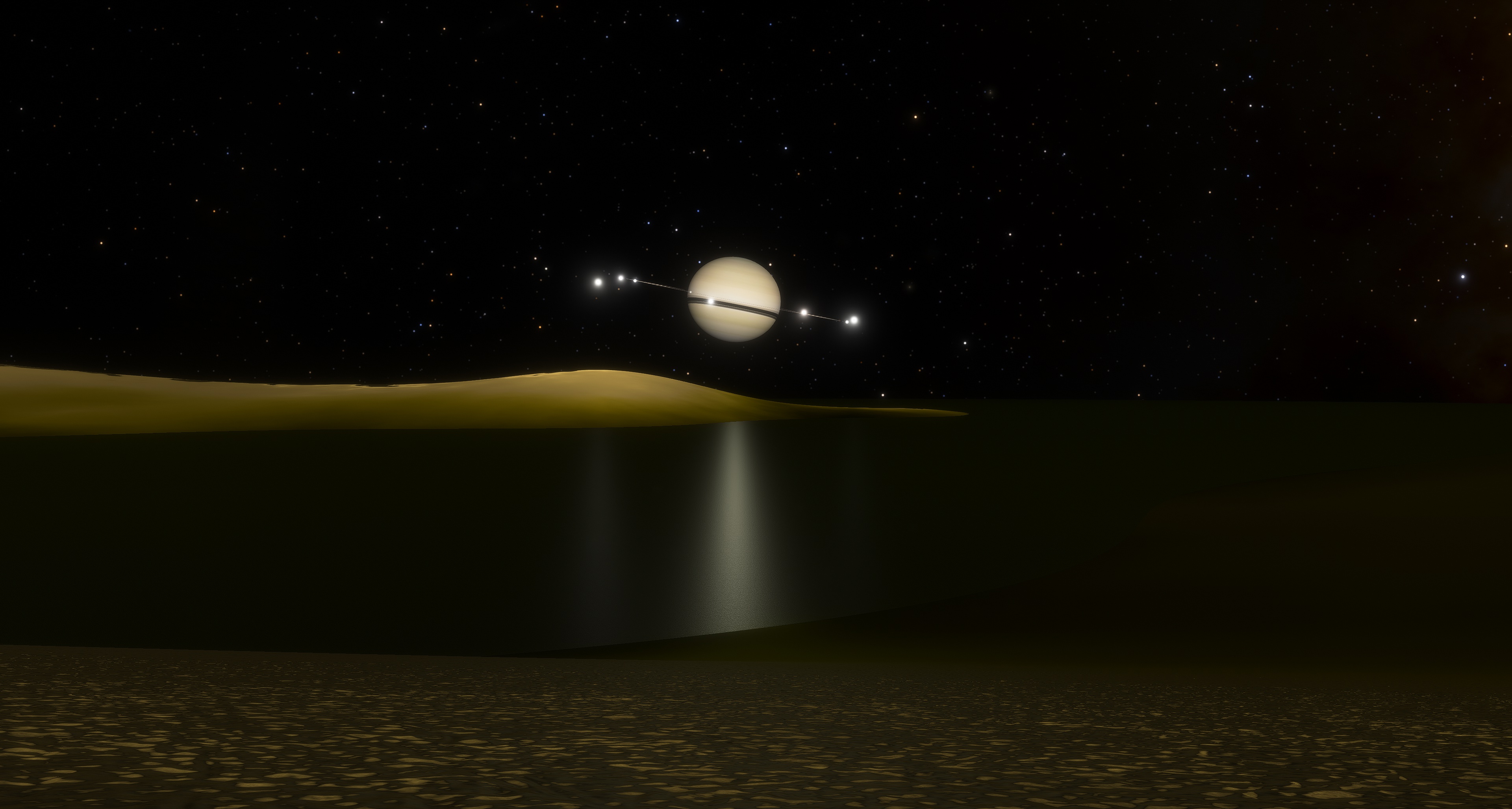


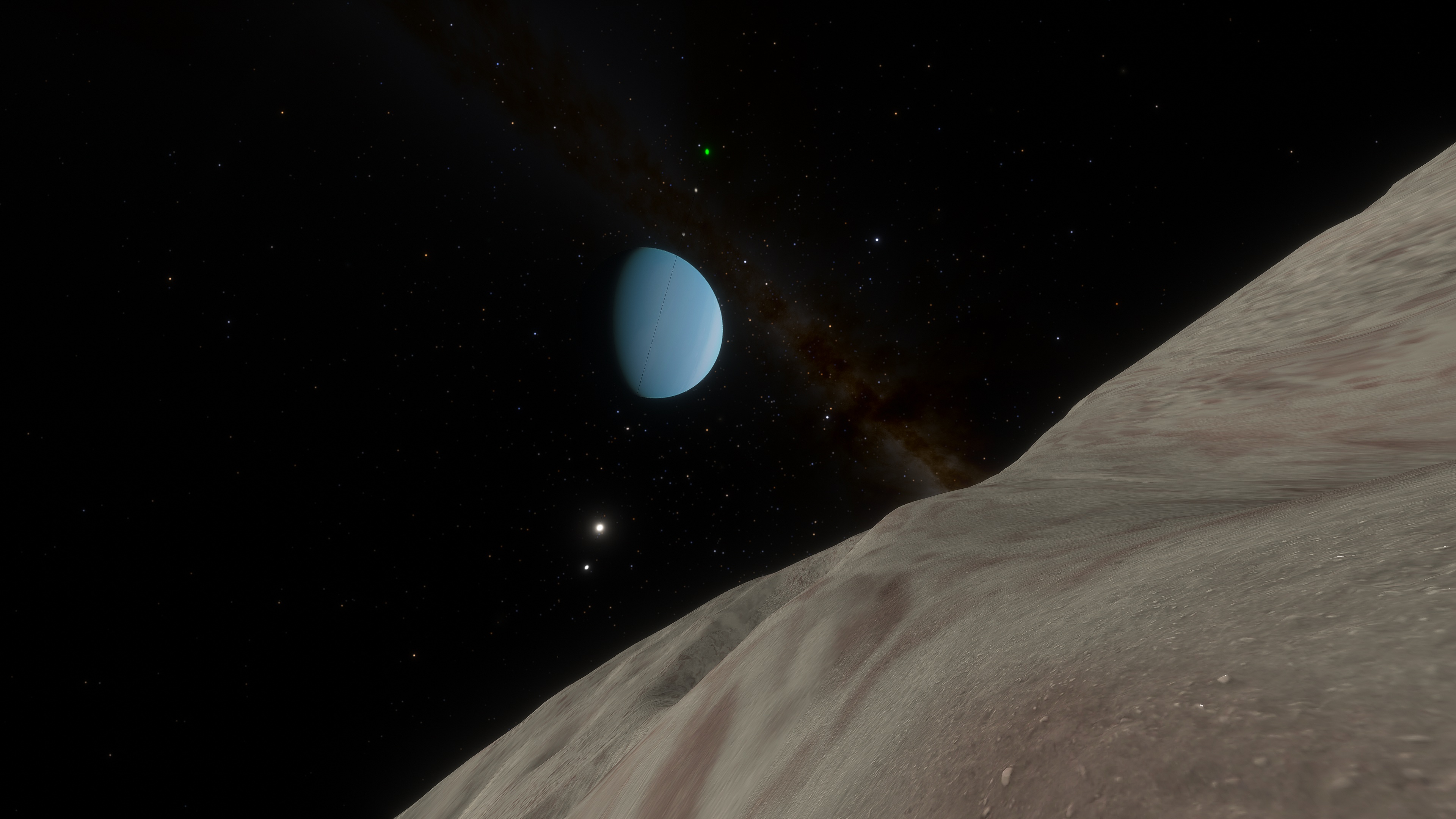

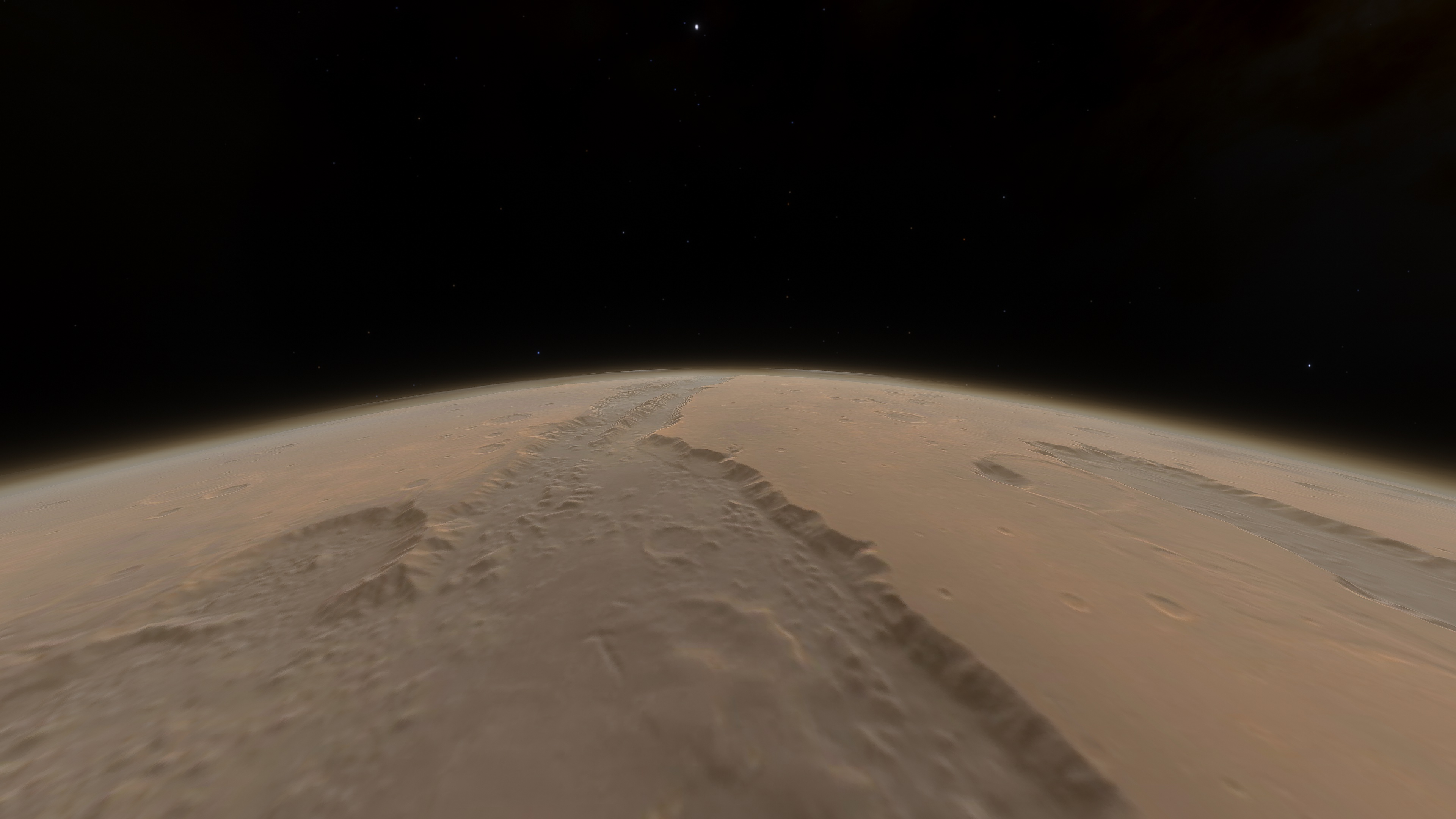

Interstellar Slide Show – Space Engine
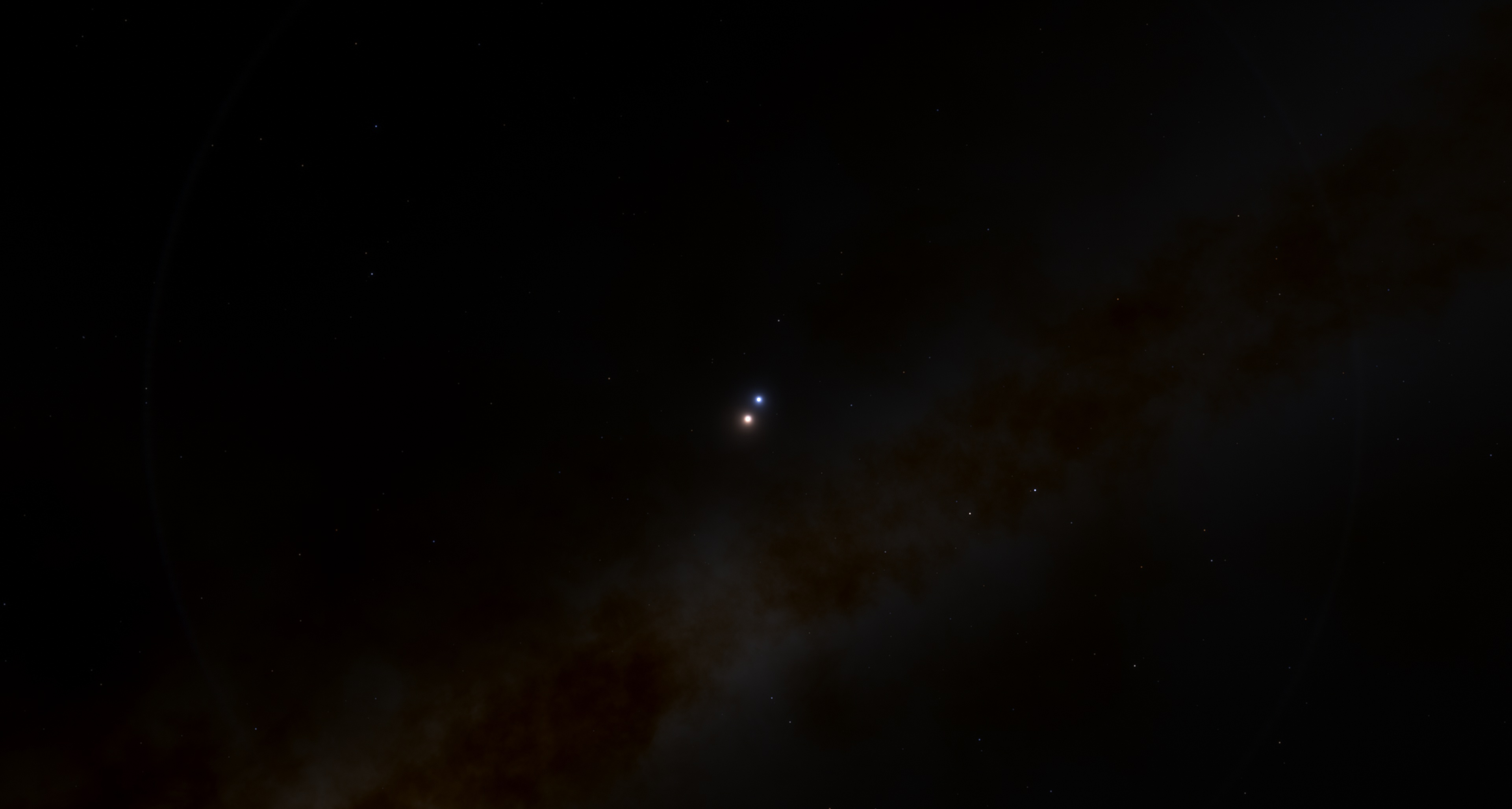


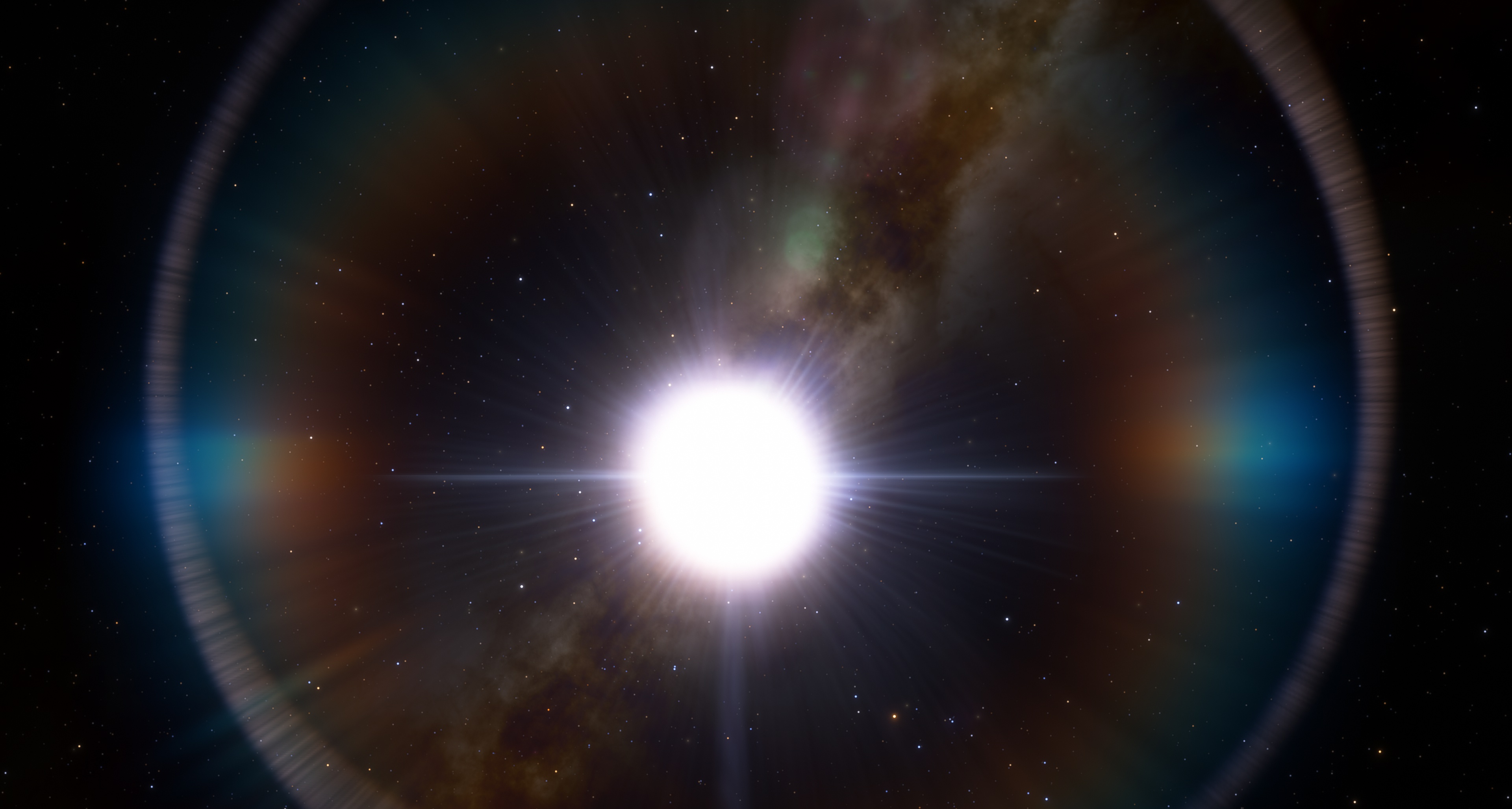
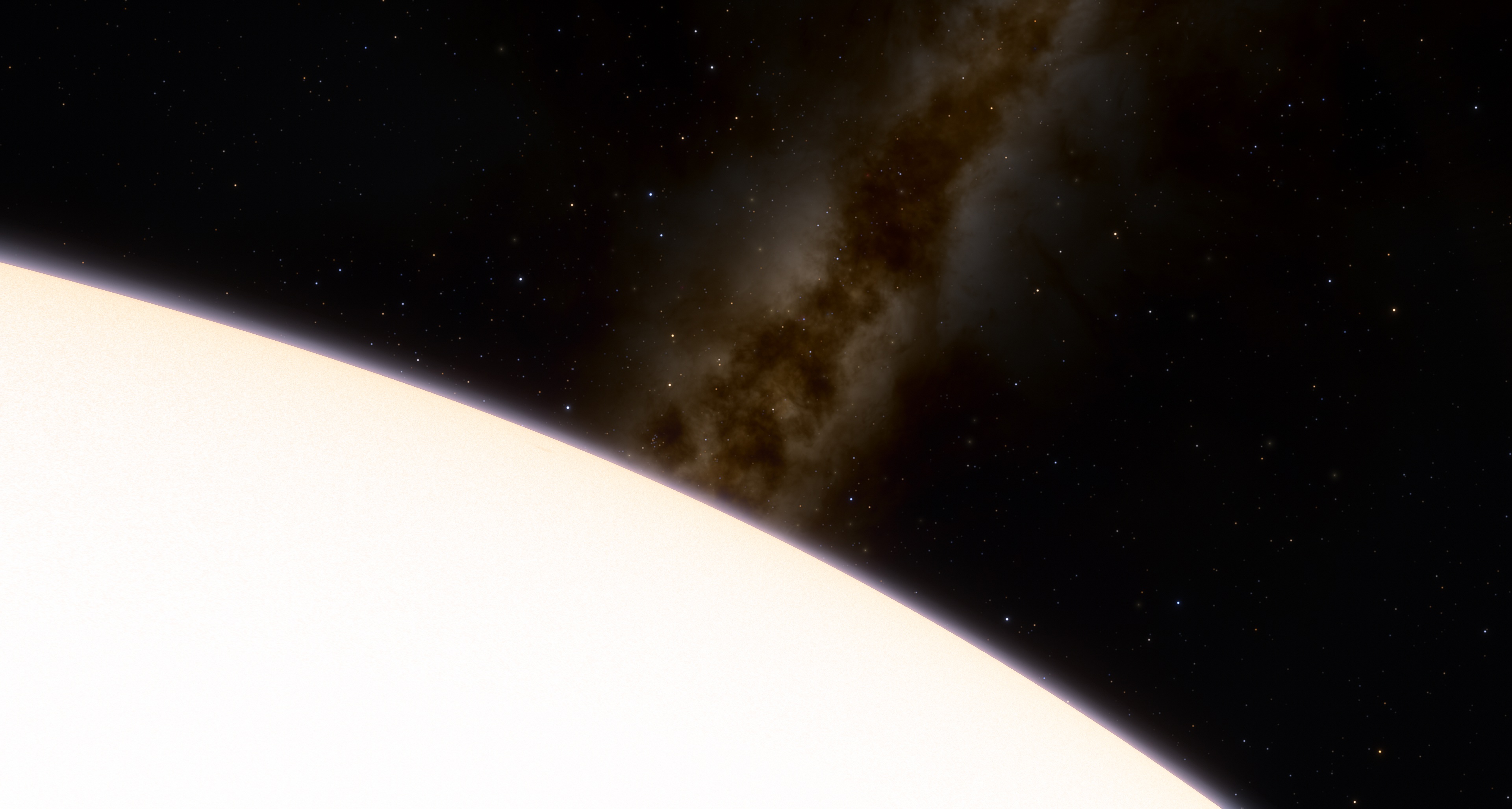

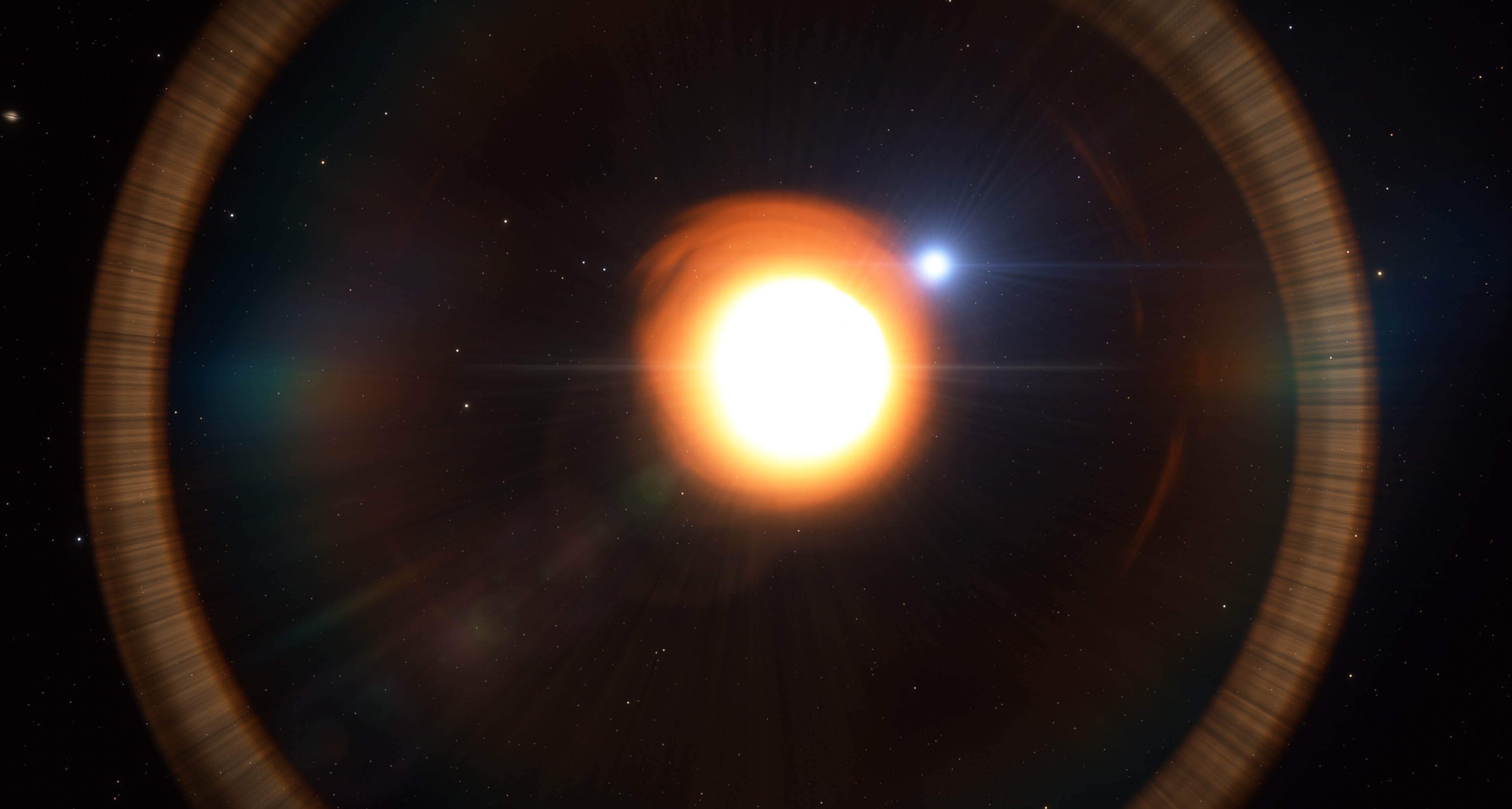
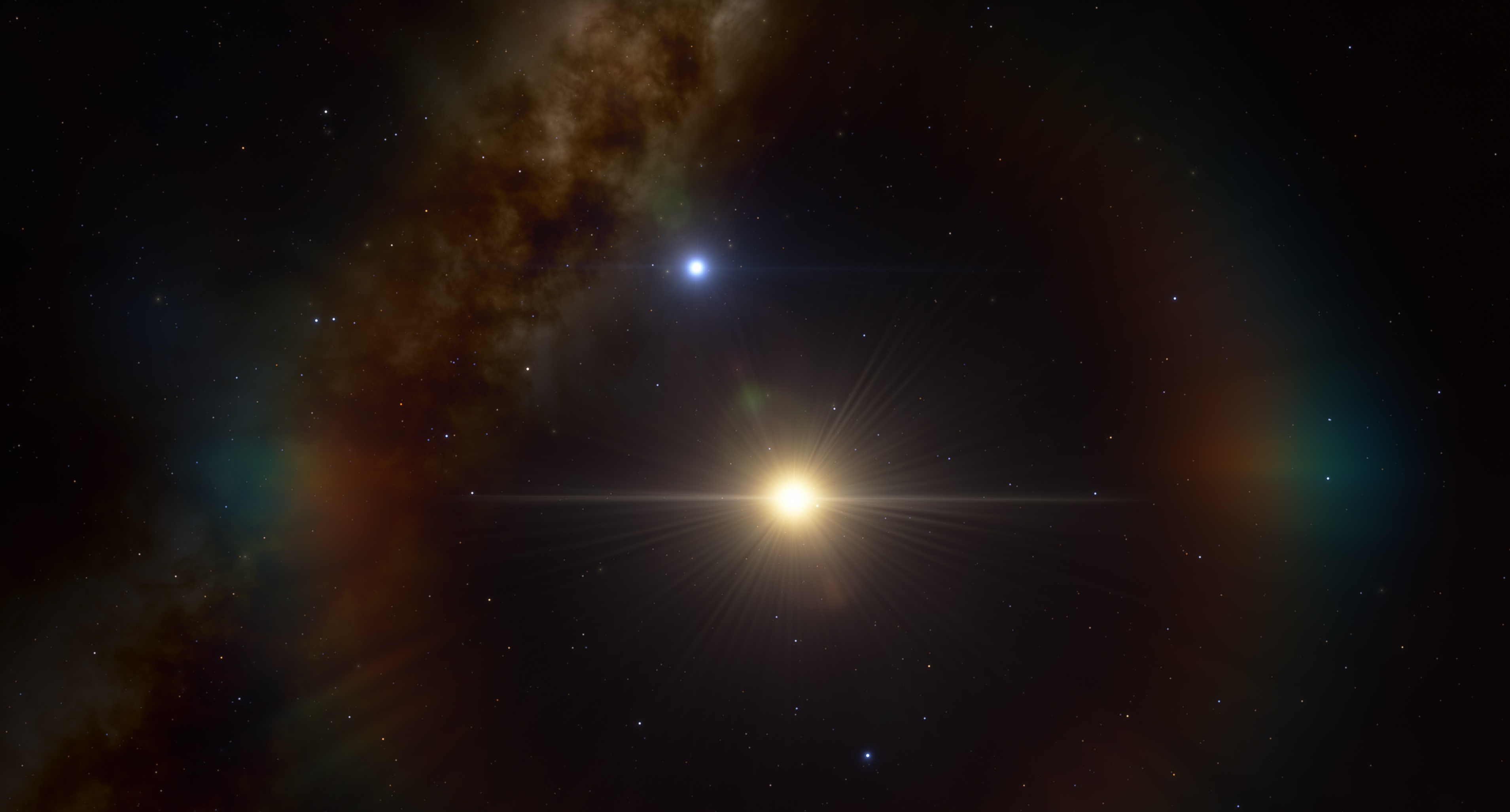
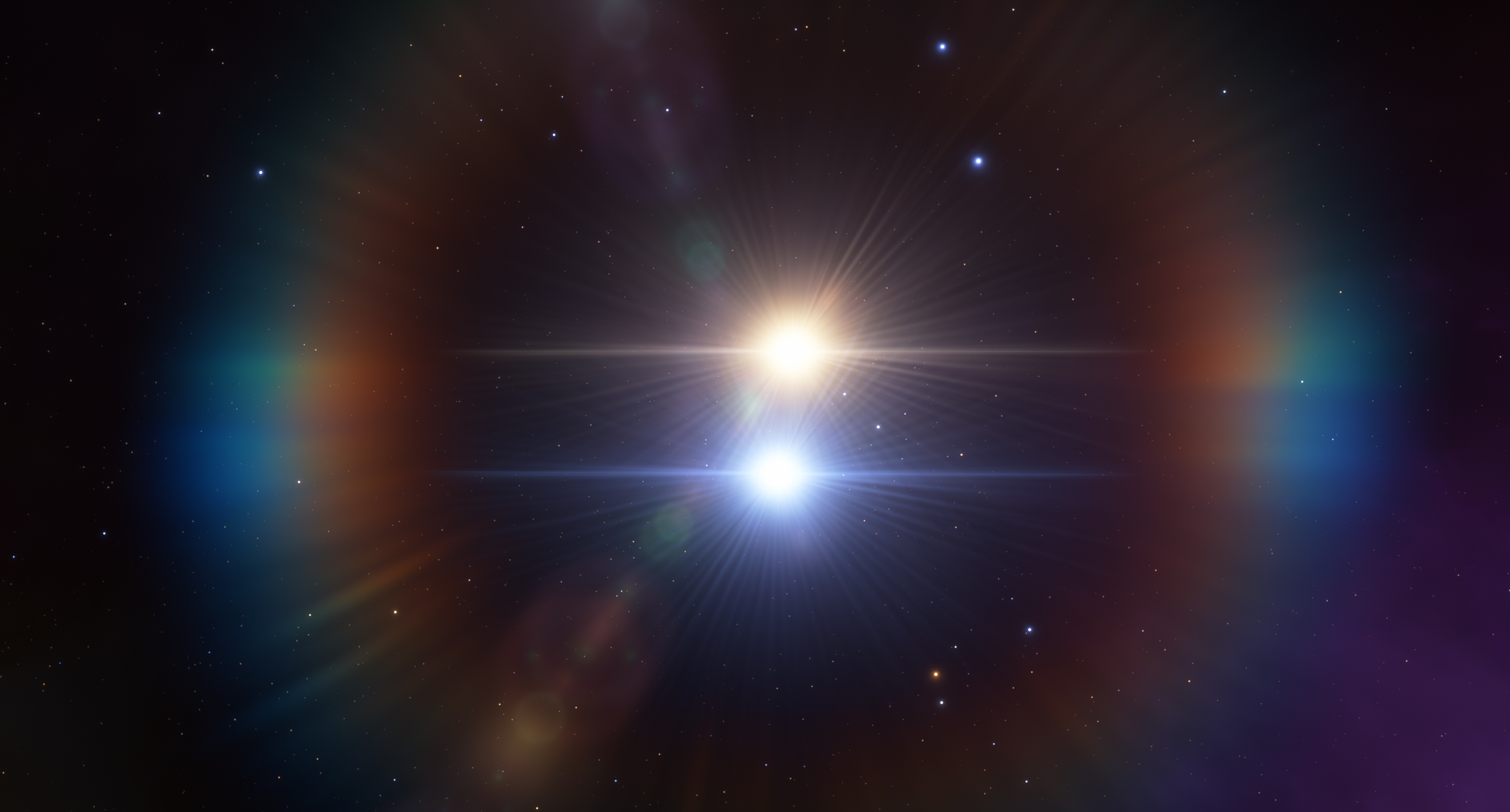
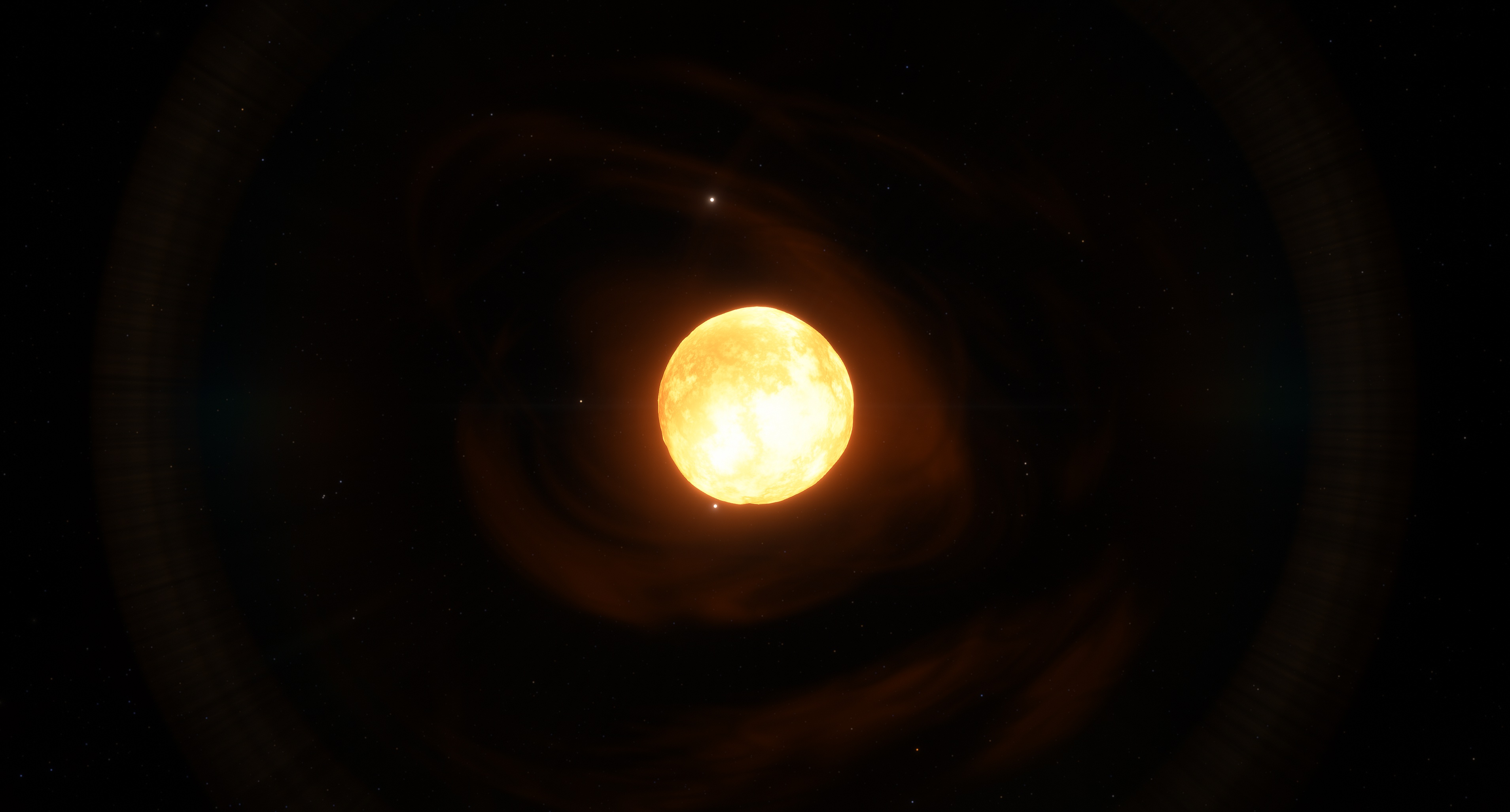

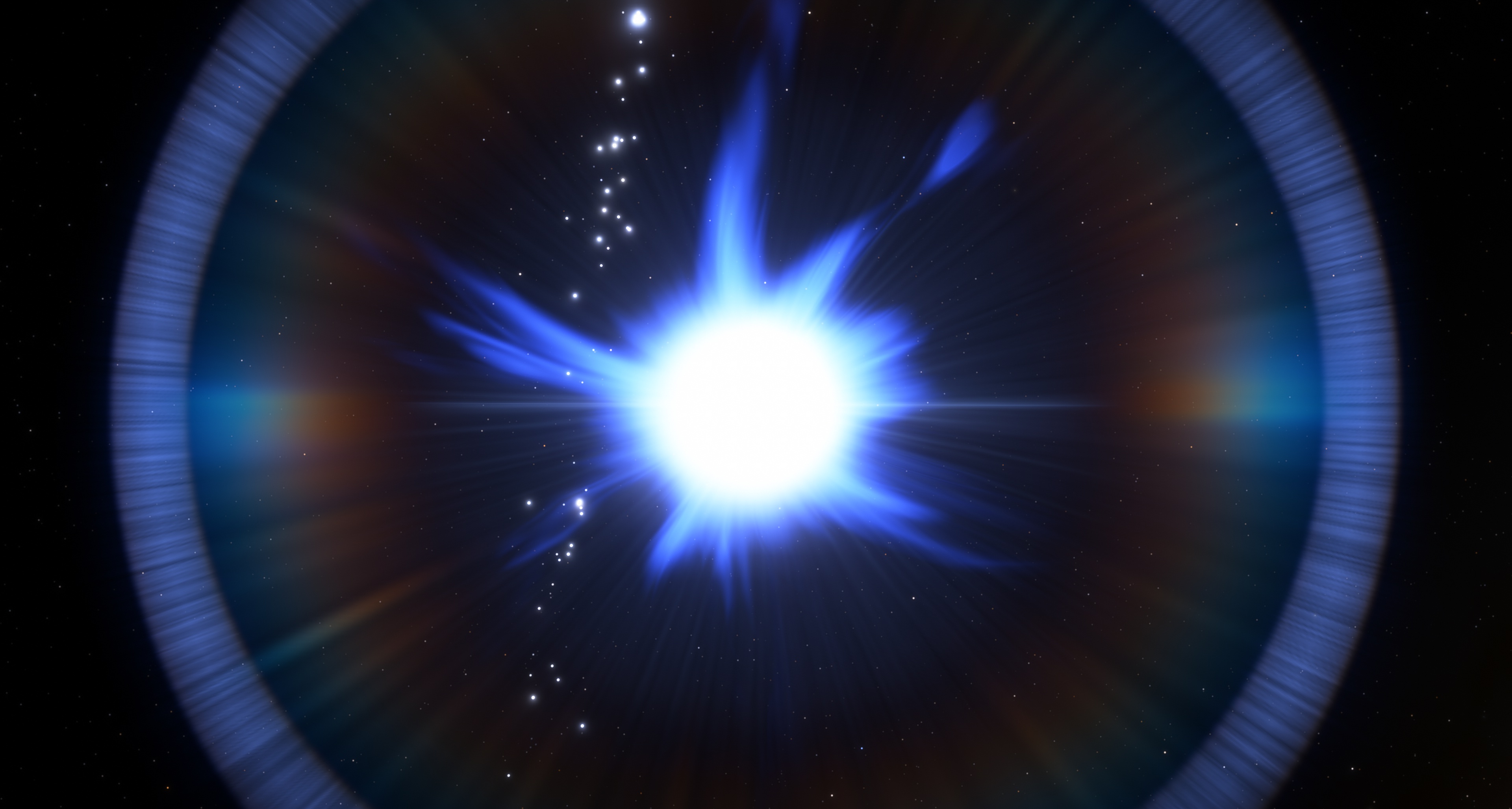




The Weird and Wonderful – Space Engine
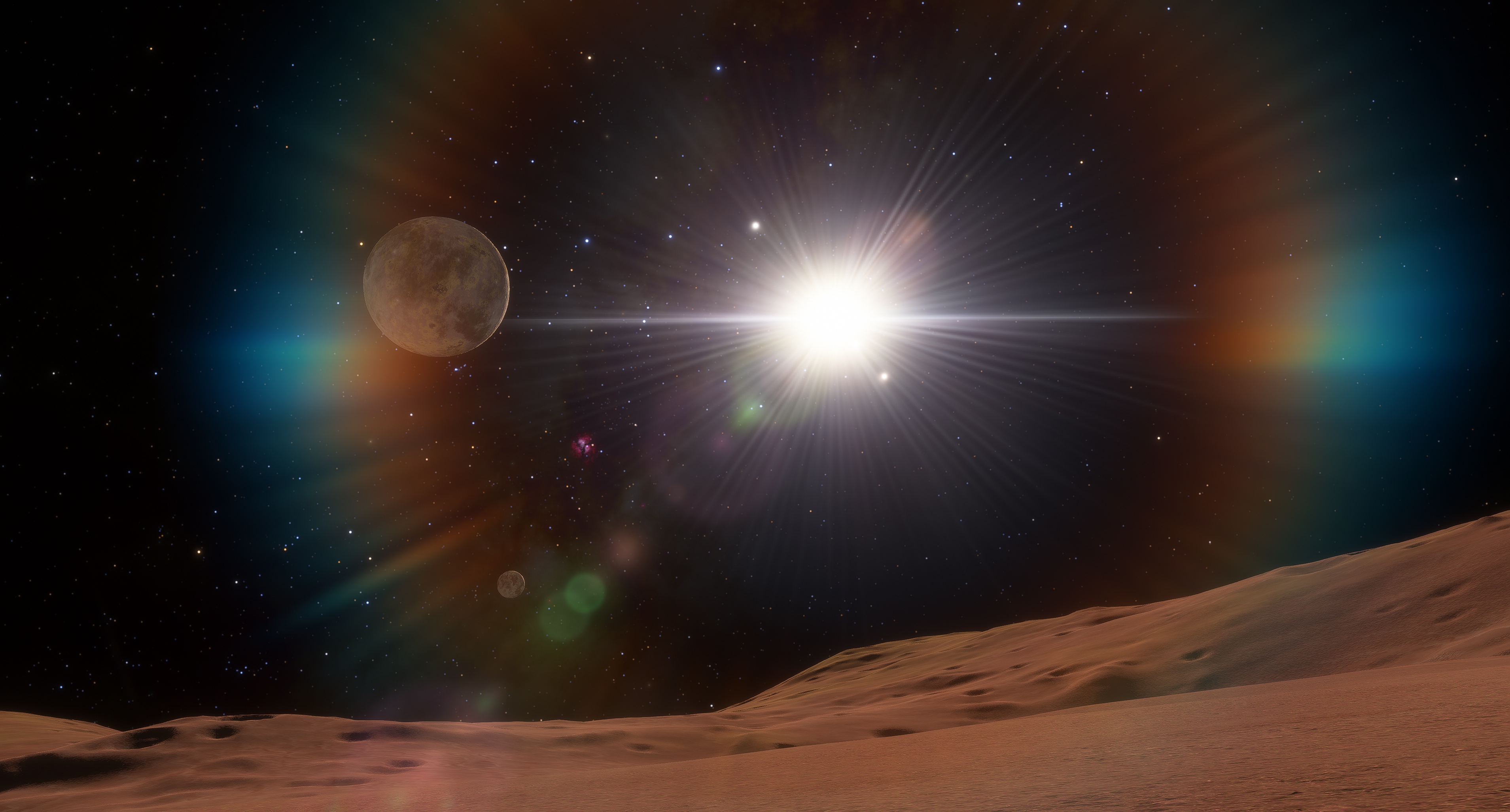

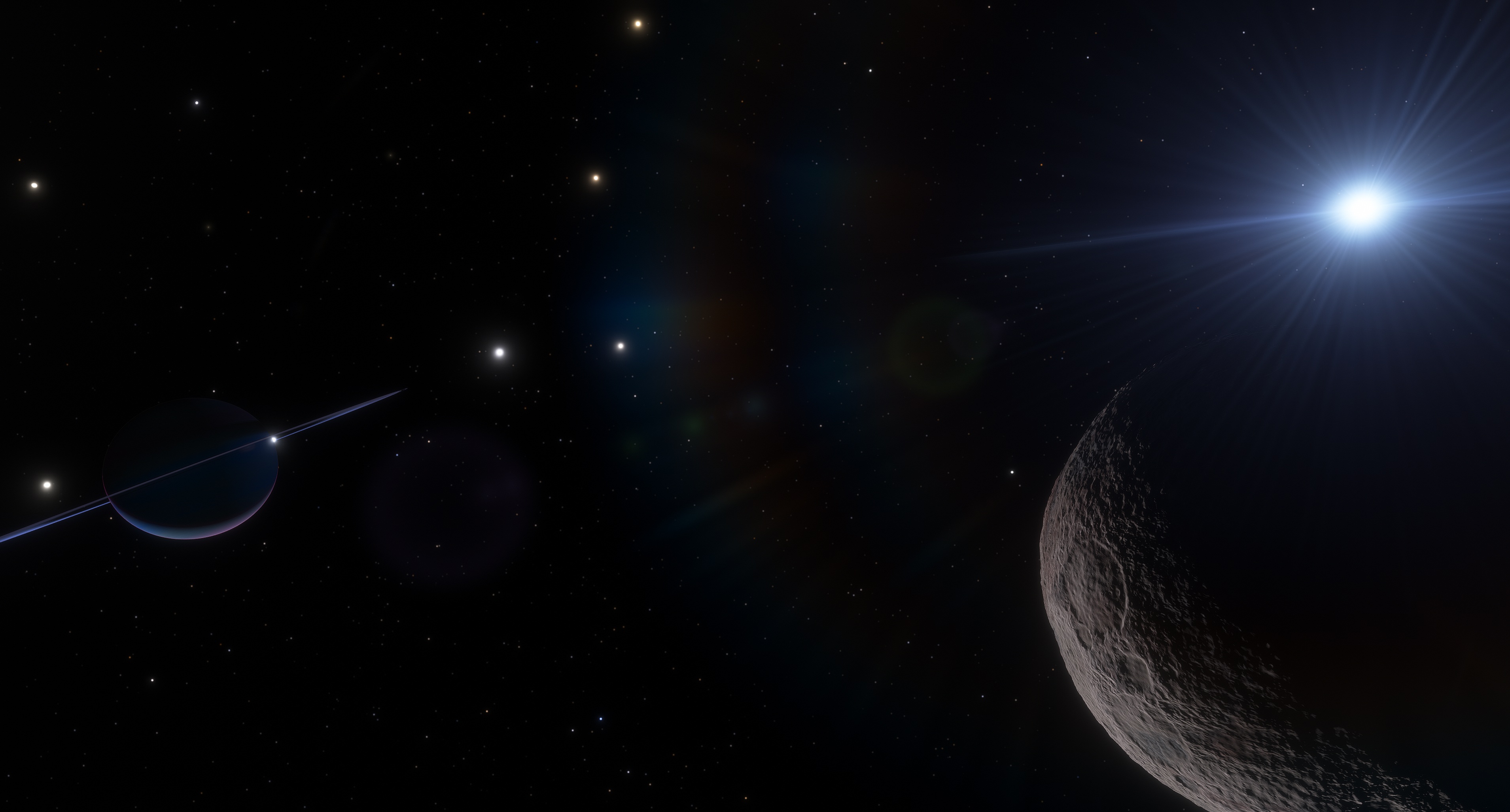



Eyes on Our Solar System
I was already deep into my exploration of Space Engine when I learned about NASA’s own visual tool — and a whole lot more on the solar system, exoplanets and more — at NASA.gov.
The site is unbeatable as a waystation for all the latest information on past and current missions, major discoveries, and even tips and tricks for backyard astronomers. But one of the cooler apps is the real-time visualization of all that is afoot — naturally and man-made — around our solar neighborhood.
You can click and expand the Eyes on the Solar System tool to check out planets, asteroids, comets, satellites, space probes and more, switching from views above and at the plane of the solar system, to appreciating the terrain and features in detail. Something I didn’t catch until recently was the ability to, as you rewind time, see our space missions backtrack and return to Earth, such as the first Pioneer and Voyager probes in the 1970s. Of course, beyond that little trick you can read about anything we’ve sent out there and understand the goals and discoveries they’ve made. Way cool!
And definitely even more brain food to fuel your burgeoning stargazing adventure. I’ll have more to share from my journey in a future post!


 Dadsense